
Using iPads for On-Site Surveys and Real-Time Feedback
The best time to capture feedback is during the event, not a week later. Here is how iPads make on-site surveys easy and effective.
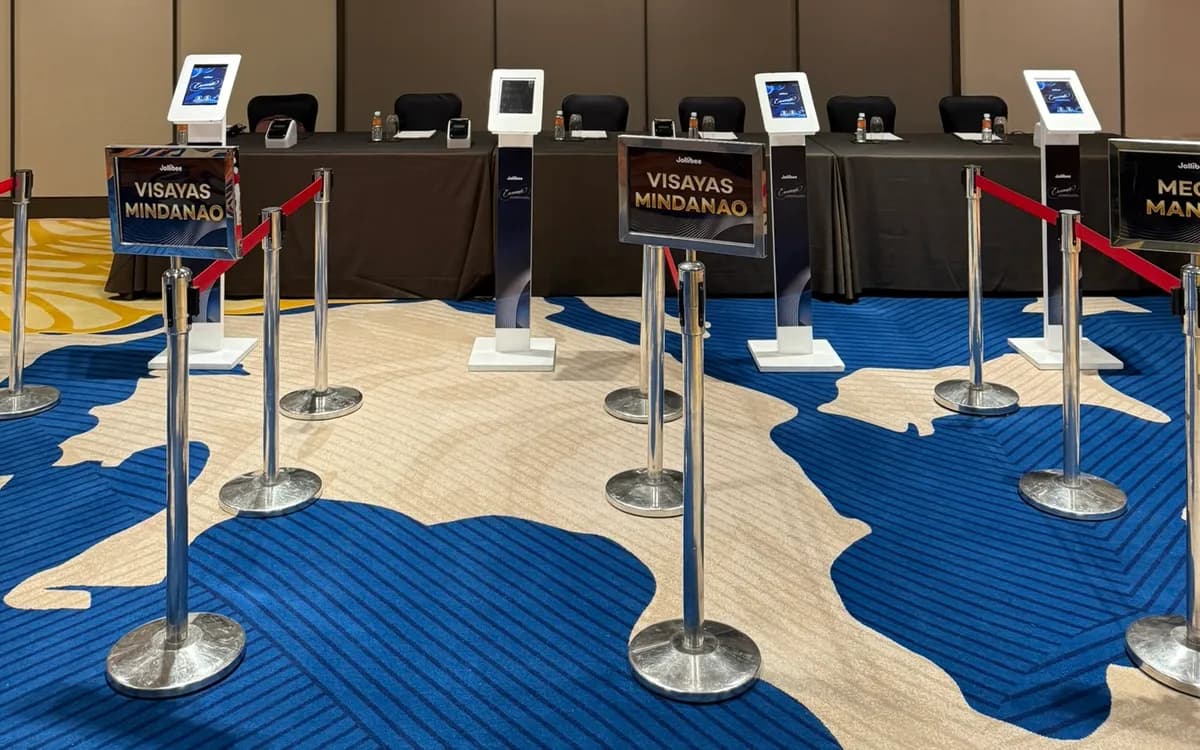
Feedback is the raw material of a better event, but most organizers gather it badly — an email survey sent days later, when memories have faded and enthusiasm has cooled. The best time to capture what guests think is while they are still in the room, experiencing the event. iPads make on-site surveys easy, and the results are far richer than anything you will collect afterward.
Here is how to use tablets for on-site surveys and real-time feedback.
Why On-Site Beats After-the-Fact
An email survey sent a week later faces two problems: low response rates and faded memories. People are busy, the event is no longer front of mind, and the specific reactions you most want to capture have blurred.
On-site surveys solve both. Response rates are dramatically higher when a guest can tap a few answers on a tablet in front of them, and the feedback is vivid because the experience is fresh. You capture how people feel in the moment, not a hazy recollection.
Where to Place Survey Stations
Placement shapes participation. A few effective spots:
- At exits. A quick "how was today?" as guests leave captures a natural reflection point.
- After sessions. A tablet outside a breakout room gathers feedback on that specific session while it is fresh.
- At booths or activations. Immediate reactions to a demo or experience.
- At the registration desk on the way out. Since guests already pass through, it is a natural touchpoint.
Mounting the iPads on stands keeps them accessible and hands-free, and makes the survey station look like an intentional part of the event rather than an afterthought.
Keep Surveys Short
The golden rule of on-site surveys is brevity. A guest passing an exit will answer three quick questions; they will not stop for twenty. Ask only what you genuinely need and will act on. A handful of well-chosen questions — a rating, a highlight, a suggestion — yields far more responses than an exhaustive questionnaire that everyone abandons.
Simple tap-to-answer formats work best: star ratings, a few multiple-choice options, maybe one short open field. The easier it is to complete, the more responses you gather.
Ask Questions You Will Act On
Only ask what will change something. "How would you rate today's event?" is useful if you track it over time. "Which session was most valuable?" is useful if it shapes next year's program. Avoid questions whose answers you will never use — they lengthen the survey and dilute participation for no benefit.
Think in advance about what decisions the feedback will inform, and let that shape your questions.
Capture the Positive, Too
On-site surveys are not only for finding problems. Capturing what guests loved — a favorite session, a highlight, a moment that landed — is just as valuable. Positive feedback tells you what to keep and amplify, and supplies testimonials and evidence of success for sponsors, partners, and future marketing.
Watch the Results in Real Time
One underused advantage of digital surveys is that you can see results as they come in. If feedback during the morning flags a problem — a session running long, a confusing layout — you may be able to adjust before the day is out. Real-time feedback turns a survey from a post-mortem into a live instrument you can steer by.
Act on What You Learn
Feedback only matters if it changes something. After the event, review the responses, identify the clear themes, and decide what to keep, cut, or change. Then, where you can, close the loop with guests — telling attendees that their feedback shaped a change is a powerful signal that you listen, and it boosts participation next time.
Combine On-Site With a Brief Follow-Up
On-site surveys capture vivid, in-the-moment reactions, but a short follow-up survey afterward complements them well by capturing considered reflection. The two answer different questions: on-site tells you how guests felt in the moment, while a follow-up a day or two later tells you what stuck, what they are still thinking about, and how their view settled after the excitement faded. Used together, they give a fuller picture than either alone.
Keep the follow-up short and let the on-site survey carry most of the load. Because you already gathered immediate reactions on-site, the follow-up can focus narrowly on reflection: the one thing they will remember, whether they would return, whether they would recommend the event. A brief, focused follow-up respects guests' time and gets better response rates than a long questionnaire. And because on-site captured the bulk, the follow-up is a light supplement, not a burden.
The two also reach slightly different people. On-site captures those who engaged enough to answer in the moment; the follow-up can reach registrants who left early or whom the on-site survey missed. Together they widen your feedback net. Just be careful not to over-survey — a guest who answered on-site and then receives a long follow-up may feel pestered. Keep the total light and purposeful, and make clear you are listening. The combination of immediate on-site reactions and a brief considered follow-up gives you rich, well-rounded feedback that a single survey cannot, and it signals to guests that their input genuinely matters to you. As always, the point is not to collect feedback for its own sake but to gather what will actually shape a better next event — and the on-site-plus-follow-up combination does exactly that, efficiently and respectfully.
Feedback While It Is Fresh
On-site surveys capture richer, more honest, more plentiful feedback than any after-the-fact email, because they meet guests in the moment. Keep them short, place them well, ask only what you will act on, and watch the results as they arrive. Do that and every event hands you a clear guide to making the next one better.
If you are planning an event in Metro Manila, we can supply iPads and stands set up for on-site surveys, so you gather feedback while it is fresh. Delivered and configured by our team.
Planning an event?
We deliver and set up iPads, printers, and registration tech across Metro Manila.
Request a quote