
Scaling From Small Events to Large Ones
Running a bigger event is not just doing a small one harder. Here is what changes as you scale and how to grow into it.
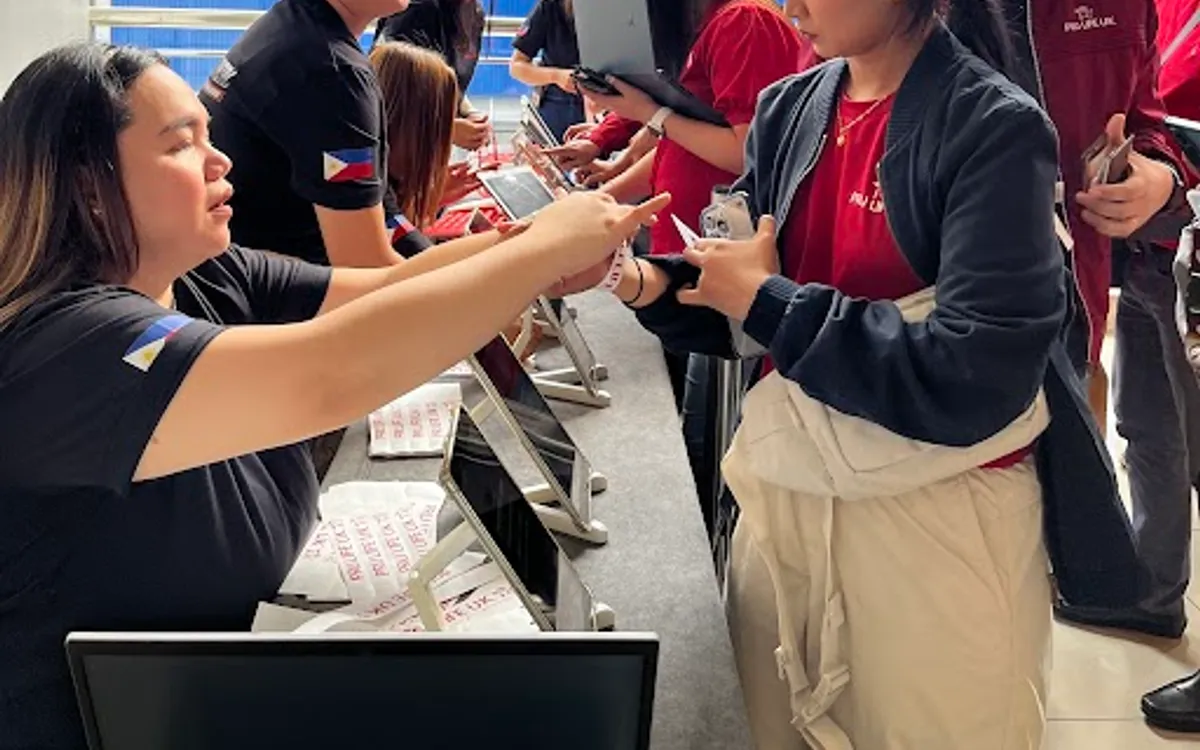
Many organizers start with small events and, as they succeed, find themselves running progressively larger ones. But a large event is not simply a small one done harder — some things that work fine at fifty guests break down at five hundred, and new challenges appear that a small event never faced. Understanding what changes as you scale lets you grow into larger events smoothly rather than being caught out. Here is what shifts, and how to handle it.
Registration Becomes a Logistics Problem
At a small event, one person with a tablet handles check-in easily. At a large one, registration becomes a genuine logistics operation — multiple parallel lanes, clear crowd-splitting, careful flow management, and heavy staffing. The informal approach that worked at fifty guests produces chaos at five hundred. Growing into it means adopting real registration structure: plan for the arrival surge, split the lines with clear signage, run enough lanes, and manage the flow actively.
Digital Becomes Non-Negotiable
A small event can sometimes get away with paper. A large one cannot — searching printed lists by hand simply cannot keep pace with hundreds arriving at once, and errors multiply. Growing into it means committing fully to digital check-in and on-demand printing, which are optional conveniences at small scale but absolute necessities at large scale. The tools that were nice-to-have become essential.
Staffing Scales Up Sharply
Small events need few hands; large ones need a real team — enough staff to run every lane at the peak, plus floaters and a registration manager to coordinate. Understaffing, already a common mistake, becomes catastrophic at scale. Growing into it means planning staffing seriously, briefing a larger team thoroughly, and often bringing in experienced registration staff for the biggest events. The human operation grows as much as the equipment.
Flow and Layout Start to Matter
At a small event, guests find their way easily. At a large one, the physical layout of the registration area, the crowd flow, and the wayfinding become critical — poor flow creates congestion, confusion, and safety concerns at scale. Growing into it means thinking deliberately about layout: clear paths, room to queue, logical progression, and signage that guides people before they reach the desk. Flow management is a skill large events demand and small ones rarely test.
Data Becomes More Valuable
The attendance data from a small event is nice to have; from a large one it becomes genuinely valuable — for managing the live event, for reporting to stakeholders and sponsors, and for understanding a substantial audience. Growing into it means treating registration as a source of intelligence, capturing clean data and using it to run and improve your larger events. The stakes and the payoff of good data both rise with scale.
Preparation and Buffers Matter More
At a small event, you can improvise around a hiccup. At a large one, a small failure — a dead outlet, an empty label roll, a device down — can create an outsized problem because so many guests are affected at once. Growing into it means preparing more thoroughly and building in more buffers: spares, backups, tested setups, and margin everywhere. The tolerance for improvisation shrinks as scale grows.
Standardization Enables Scale
Running larger events, and more of them, is far easier with standardized systems than with everything improvised. Growing into it means building repeatable playbooks — a proven registration approach, trusted suppliers, a consistent setup — so that scale does not mean reinventing everything each time. Standardization is how organizations run large events reliably rather than heroically.
Lean on Partners as You Grow
As events grow, the value of good partners grows with them. A rental partner who can supply the equipment, preparation, setup, advice, and staffing for a large event removes much of the burden of scaling. Growing into it means leaning on partners who can handle larger operations, so you can grow your events without having to build every capability in-house. The right partner scales with you.
Do Not Lose the Personal Touch as You Grow
The risk in scaling is that events become more efficient but less warm — bigger, smoother, and somehow more impersonal. As you adopt the structure and systems that large events require, guard against losing the personal touch that made your smaller events feel special. Scale and warmth are not opposites; the best large events feel both well-run and genuinely welcoming. Keeping that warmth as you grow is a deliberate choice, not an automatic outcome.
Preserve the human element even at scale. A large event still benefits from warm, gracious staff who welcome guests rather than merely process them; from thoughtful touches that make guests feel valued; from a sense that the event was run with care, not just efficiency. The systems and structure handle the logistics of scale, which should free your people to focus on hospitality — not replace it. Use the efficiency that good systems provide to invest more in the guest experience, not less.
Watch for the specific ways scale erodes warmth, and counter them. A huge, anonymous check-in can feel cold — counter it with genuinely welcoming staff and a well-designed experience. A large crowd can feel like a number — counter it with touches that acknowledge the individual. Efficiency pursued for its own sake can strip out the human moments — protect the ones that matter. The goal is a large event that still feels personal, which is rarer and more memorable than one that is merely big and smooth. As you scale from small events to large ones, carry the warmth with you deliberately. The organizations whose large events stand out are the ones that grew in capability without losing the care that made them special when they were small. Grow into the structure and systems that scale demands, but keep the personal touch at the heart of it — that combination of genuine warmth and real capability is what makes a large event not just impressive but memorable.
Grow Into It Deliberately
Scaling from small events to large ones is not just doing more of the same — it is adopting the structure, tools, staffing, flow management, data discipline, preparation, standardization, and partnerships that large events require. Understand what changes at scale and grow into it deliberately, and your larger events will run as smoothly as your small ones did — rather than buckling under their own size.
If you are scaling up your events in Metro Manila, we can grow with you — from a single tablet for a small event to a full registration operation for a large one, with the equipment, preparation, and staffing to match. Delivered and run by our team.
Planning an event?
We deliver and set up iPads, printers, and registration tech across Metro Manila.
Request a quote