
Planning Your 2022 Events Calendar as In-Person Returns
In-person events are back on the calendar. Here is how to plan a year of gatherings that run smoothly from the first registration desk to the last.
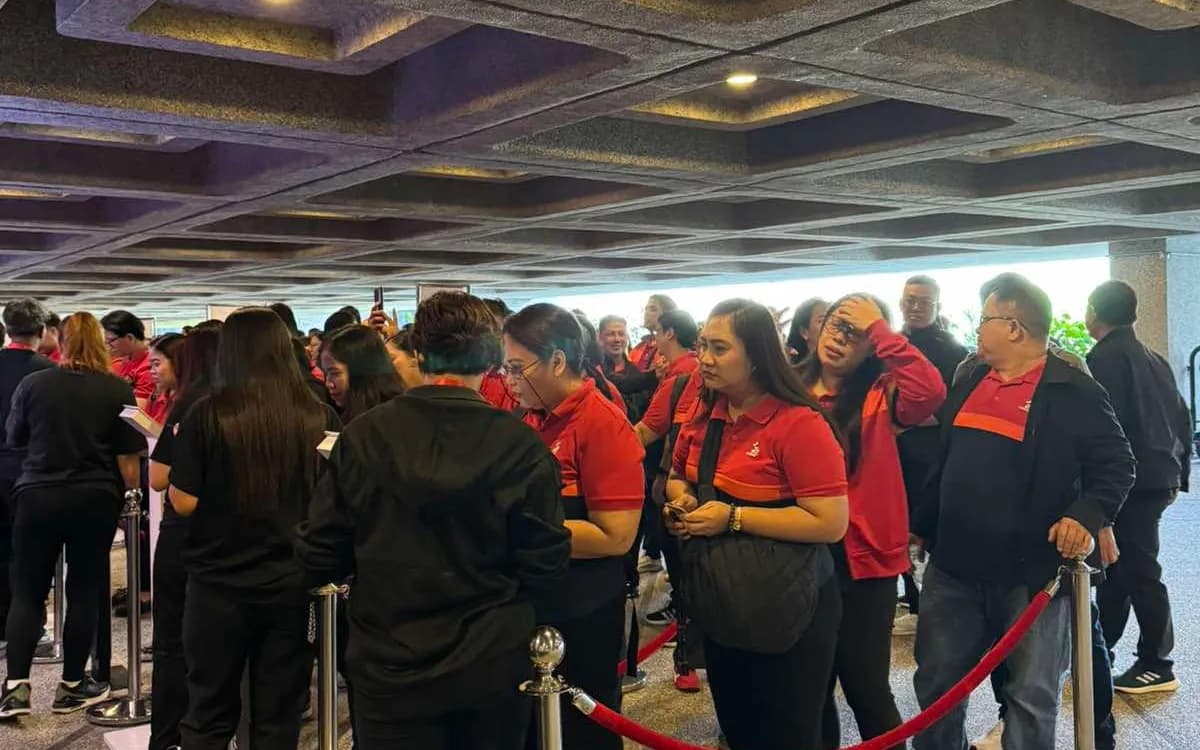
After two years of postponements and pivots, in-person events are firmly back on the calendar. Organizers across Metro Manila are booking venues again, confirming dates, and rediscovering the energy of a room full of people. It is an exciting moment — and a good one to plan the whole year deliberately rather than lurching from one event to the next.
A little planning now saves a great deal of scrambling later, especially as demand for venues, suppliers, and equipment climbs back toward pre-pandemic levels. Here is how to map out a smooth year of events.
Start by Mapping Your Fixed Dates
Some events are anchored to the calendar and cannot move: an annual conference, a founding anniversary, a recruitment drive tied to the school year, a year-end party. Plot these first. They are the tent poles around which everything else flexes.
For each fixed event, note not just the date but the lead time it demands. A 500-person conference needs months of preparation; a small internal workshop needs weeks. Working backward from each date tells you when planning must actually begin — which is almost always earlier than it feels.
Understand the Season
Events in the Philippines cluster. The last quarter of the year, in particular, is a crush of parties, awards nights, and client gatherings, and the supply of venues and equipment tightens accordingly. Weddings and school events have their own rhythms. Knowing when your events fall relative to these peaks tells you how early to lock in bookings.
If any of your events land in a busy stretch, treat early booking as non-negotiable. The date you want and the equipment you need are both first-come, first-served during peak season.
Standardize Your Registration Approach
One quiet advantage of planning a full year is that you can standardize how you handle the parts every event shares. Registration is the obvious one. Rather than reinventing your check-in process each time, settle on a repeatable approach: digital check-in on tablets, on-demand badge printing, a clear lane structure, a dry run before doors open.
Standardizing does not mean every event looks identical. It means your team knows the playbook, your setup is predictable, and your quality stays consistent whether you are running a 50-person seminar or a 500-person summit. It also makes budgeting easier, because you know what each event's registration setup will cost.
Right-Size Each Event
A common early-planning mistake is treating every event the same. A small internal training and a public conference have very different needs. For each event on your calendar, sketch the essentials:
- Expected attendance and how guests will arrive
- Whether you need badges, and how many
- What the check-in experience should feel like
- Whether you need on-site support or staffing
Answering these early means you rent the right equipment in the right quantity, rather than guessing under pressure a week out.
Build Your Supplier Relationships Now
As events return, the suppliers you rely on — venues, caterers, audio-visual teams, device rentals — are all seeing demand rebound. The organizers who build steady relationships now will find coordination easier all year. A supplier who knows your events and your standards is faster to work with and more forgiving when something changes at the last minute.
Booking early with the same trusted partners also gives you continuity. Your registration setup looks and works the same across events, which builds a recognizable, professional experience for repeat attendees.
Leave Room for the Unplanned
However carefully you plan, opportunities and surprises will appear: a client wants an event on short notice, a partnership creates a new gathering, a date shifts. Build a little slack into your year — in budget, in team capacity, in supplier goodwill — so you can absorb the unexpected without derailing everything else.
Learn From Each Event
Finally, treat your calendar as a living document. After each event, capture what worked and what did not while it is fresh. Digital registration makes this easier by handing you accurate attendance data automatically, so you can see turnout patterns and plan the next event more sharply.
By the end of the year, you will have not just a series of completed events but a genuine playbook — one that makes the following year's planning faster and better.
Build a Master Timeline and Budget
Two documents turn a mapped calendar into an actionable plan: a master timeline and a rough annual budget. The timeline works backward from each event's date, marking when planning, booking, and preparation must begin. The value is that it surfaces conflicts early — two events whose preparation windows overlap, or a booking deadline that falls during a busy stretch — while you still have room to adjust. Without it, events tend to sneak up, and preparation gets compressed into a stressful scramble.
The budget need not be precise this early, but a rough allocation across the year prevents overspending on early events and leaving too little for later ones. Estimate the major costs for each event — venue, catering, equipment, staffing — and see how the total lands against what you have. This is also where the rent-versus-own question plays out: for a year of varied events, renting equipment per event keeps costs proportional to each event's size rather than tying up capital in gear that sits idle.
Revisit both documents through the year. As events complete and plans firm up, update the timeline and reconcile the budget against actual spending. Kept current, these two documents give you a clear, always-accurate picture of what is coming and what it will cost — which is exactly what lets you plan each event properly rather than reacting to it. They also make handoffs easier: anyone stepping in can see the whole year at a glance rather than reconstructing it from scattered notes and email threads.
A Strong Year Ahead
The return of in-person events is a chance to reset how you run them. Plan your fixed dates, respect the season, standardize what repeats, right-size each event, and build the supplier relationships that make everything smoother. Do that, and 2022 becomes a year of well-run gatherings rather than a scramble.
If you are mapping out your events this year, we can help with the registration side — iPads, stands, and badge printers, delivered and set up across Metro Manila. Book early for your peak dates, and let us make check-in the easy part of every event.
Planning an event?
We deliver and set up iPads, printers, and registration tech across Metro Manila.
Request a quote