
Hybrid Events Revisited: Best Practices Now
Hybrid events are no longer a stopgap but a deliberate choice. Here is how to run them well now that the format has matured.
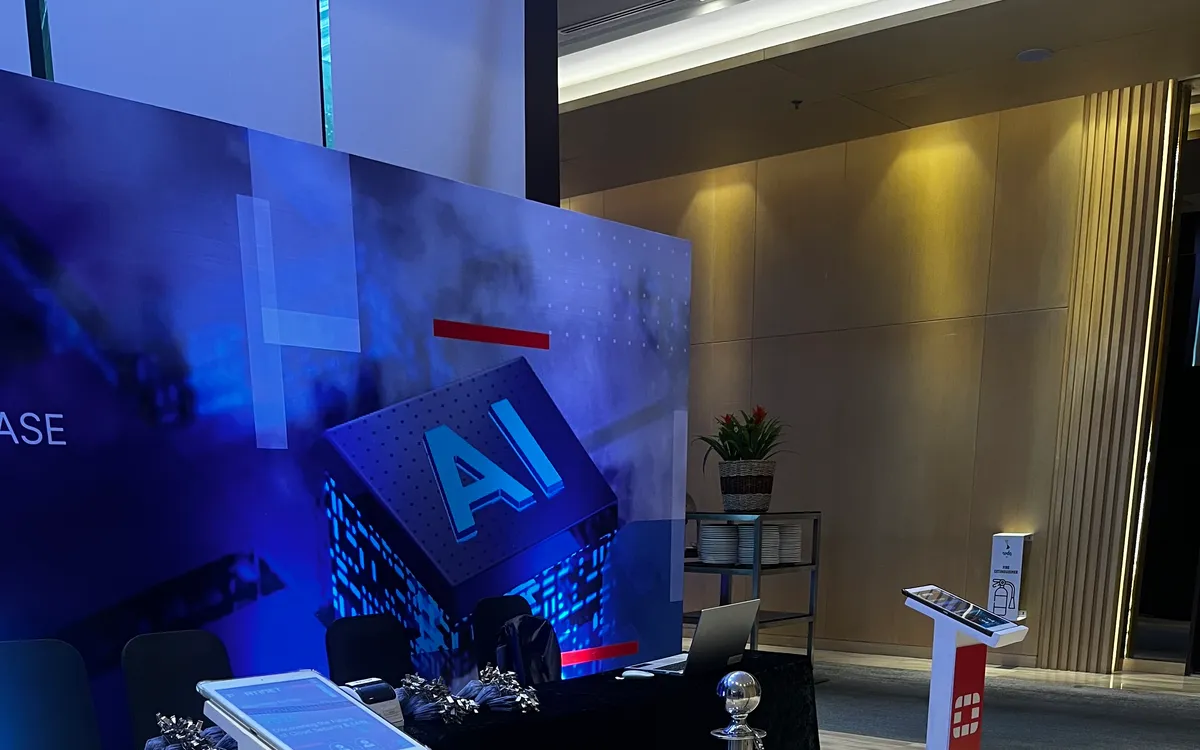
Hybrid events began as a necessity — a way to keep gathering when in-person was limited. But they have earned a permanent place, not as a compromise but as a deliberate choice that combines the energy of a live room with the reach of an online audience. Now that the format has matured, the best practices have sharpened. Here is how to run a great hybrid event today.
Choose Hybrid on Purpose
The first shift is treating hybrid as an intentional choice rather than a fallback. Hybrid makes sense when you genuinely want both a live audience and a broader remote reach — to extend access, to include those who cannot travel, to grow your audience beyond a room's capacity. Choosing it deliberately means designing for both audiences from the start, rather than bolting a stream onto a physical event.
Design for Two Audiences Equally
The enduring principle of good hybrid events is that both audiences are first-class. The in-person crowd and the remote crowd should each have a considered experience, not one served and one merely broadcast to. For every element — sessions, Q&A, networking, breaks — plan both the in-room and the at-home version. This parallel design is what separates a genuine hybrid event from a livestreamed physical one.
Get In-Person Registration Right
The live side still needs excellent registration. Smooth digital check-in, on-demand badges, and a warm welcome matter as much as ever for your in-person guests. Digital check-in also gives you clean data on your live attendance, which — combined with your online numbers — reveals your true total reach across both formats. Knowing precisely how many attended each way is valuable for understanding and reporting on your event.
Give the Remote Audience a Real Presence
The most common hybrid failure is letting the online audience feel like spectators. Keep them present: bring their questions into the room, run polls both audiences join, acknowledge them from the stage, and give someone sole responsibility for the remote experience. The technology has matured, but the mindset matters most — treat the remote audience as participants, not viewers.
Nail the Production Fundamentals
Hybrid depends on solid production basics: reliable internet above all, excellent audio (remote viewers forgive a modest picture but not bad sound), and a clear view of the stage. These are non-negotiable, and they are where hybrid events most often stumble. Invest in getting them right, and rehearse the transitions — the handoffs between live and remote — where problems tend to surface in front of a live crowd.
Serve the Networking on Both Sides
Networking is often the hardest part to make hybrid, and it is where the format most often shortchanges the remote audience. Think deliberately about how online attendees connect — with each other and with in-person guests — rather than leaving them out of the event's social value. Even simple provisions for remote interaction beat treating networking as an in-person-only affair.
Measure Both Audiences
A mature hybrid event measures both sides: in-person attendance and engagement, and online attendance and engagement, assessed together. This gives you the true picture of your event's reach and impact, and reveals how each audience experienced it. Follow up with both groups afterward, gathering feedback separately since their experiences differ.
Plan for the Long Term
Because hybrid is now a lasting format, it is worth building durable capability rather than improvising each time. A repeatable approach to the in-person registration, the remote experience, and the production means each hybrid event is easier and better than the last. The skills and systems you build now keep paying off.
Budget Realistically for Hybrid
A common hybrid mistake is budgeting for it as if it were a physical event with a camera added. In truth, hybrid means running two events at once — the in-person one and the online one — and doing both well costs more than either alone. Reliable internet, good audio, a clear video setup, and dedicated attention to the remote audience all require real investment. Budgeting realistically for both sides from the start prevents the disappointing outcome of a strong in-person event paired with a neglected, underfunded online experience.
Decide where to invest based on what each audience needs. The in-person side needs smooth registration and a good live experience; the online side needs solid production and genuine engagement. Underinvesting on either side shows. If budget is limited, it is often better to do a smaller, well-produced hybrid event than an ambitious one where the remote experience is an afterthought. Quality on both sides beats scale with a weak online half.
Weigh the return, too. Hybrid's cost is justified by its expanded reach — an unlimited online audience alongside the live one — so measure that reach to judge whether the investment paid off. If the online audience is substantial and engaged, the added cost of doing hybrid well is easily justified; if the online turnout is minimal, you may reconsider the format or how you promote the remote option. Budgeting realistically and measuring the return together tell you whether hybrid is worth it for your events and how to invest in it wisely. Done with a clear-eyed budget that funds both audiences properly, hybrid delivers genuine value — the energy of a room and the reach of a broadcast. Done on a budget that pretends the online side is free, it delivers a good live event and a poor online one, which satisfies no one and undersells the format's real potential.
The Best of Both
Hybrid events, done well now, are not a compromise but a genuine expansion — the energy of a live room plus the reach of an online audience, each served fully. Choose hybrid on purpose, design for both audiences equally, get the in-person registration and remote presence right, nail the production, and measure both sides. Do that and hybrid delivers more than either format alone.
If you are planning a hybrid event in Metro Manila, we can equip the in-person side — iPads, stands, and on-demand badges for smooth check-in — so your team can focus on delivering a great experience to the room and the screen alike. Delivered and set up by our team.
Planning an event?
We deliver and set up iPads, printers, and registration tech across Metro Manila.
Request a quote