
Handling Last-Minute Event Changes Gracefully
Something always changes at the last minute. Here is how to build the flexibility to handle it without derailing your event.
No matter how carefully you plan, something always changes at the last minute. A speaker cancels, attendance surges beyond expectation, a room swaps, the schedule shifts, a batch of unregistered guests arrives. The mark of an experienced organizer is not preventing every surprise — that is impossible — but handling changes gracefully when they come. Here is how to build the flexibility to absorb the unexpected.
Expect Change and Build in Slack
The first step is mindset: assume something will change, and build slack into your plans so you can absorb it. Slack in your budget, your team's capacity, your equipment, and your schedule gives you room to maneuver when a surprise hits. A plan stretched so tight that any deviation breaks it is fragile; one with a little buffer everywhere is resilient. Deliberately leave margin, and last-minute changes become manageable rather than catastrophic.
Use Flexible, Digital Tools
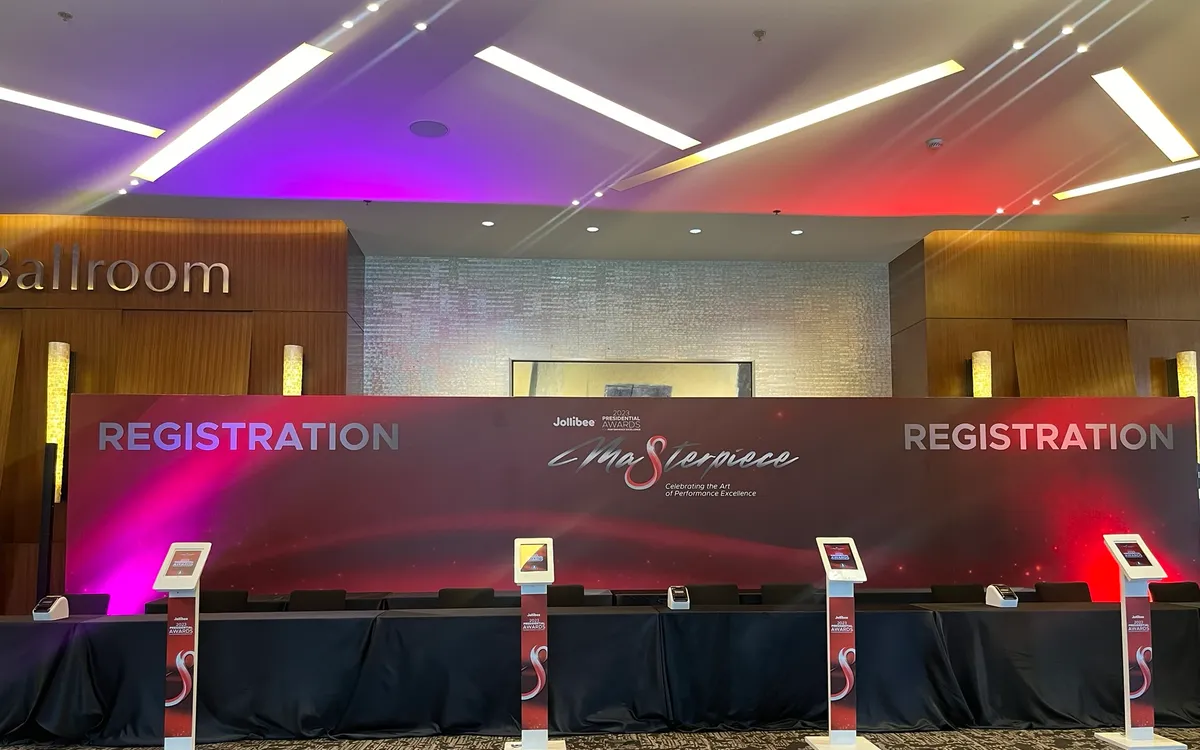
Digital registration is inherently more flexible than paper, which matters enormously when things change. A surge of unregistered guests? Add them on the spot with digital check-in and print badges on demand — no pre-printed pile to fall short. A schedule change? Update digital signage instantly. A room swap? Redirect guests with updated screens. Flexible tools adapt to change in moments, where rigid, pre-printed setups cannot.
This flexibility is one of the underrated benefits of digital, on-demand systems: they bend without breaking when reality diverges from the plan.
Handle Attendance Surprises
Attendance rarely matches the plan exactly. If more guests arrive than expected, digital check-in and on-demand printing scale gracefully — you add walk-ins and print badges as needed rather than running out. Having a little extra capacity in your setup (an extra station, spare label stock) gives you room to absorb a surge. If fewer come, no harm done. Plan for a range, not a single number, and surprises in either direction are easy.
Keep Spares and Backups
Much of graceful change-handling is simply having backups ready. A spare device covers an equipment failure. Extra label rolls cover higher-than-expected badge demand. A backup internet connection covers a network problem. An offline copy of the guest list covers a connectivity drop. These cost little and turn a potential crisis into a quiet non-event. Redundancy is the cheapest insurance against last-minute trouble.
Empower Your Team to Adapt
Changes often need on-the-spot decisions, and a team empowered to adapt handles them far better than one waiting for approval. Brief your team on how to handle common surprises — a surge, a VIP who was not on the list, a schedule shift — and give them the authority to act. A registration manager who can make quick calls keeps the operation flexible. Rigid processes with no room for judgment crumble when reality deviates.
Communicate Changes Clearly
When something changes, clear communication prevents confusion from compounding. If a room moves or a schedule shifts, update your signage, brief your staff, and inform guests promptly and clearly. Much of the chaos of last-minute change comes not from the change itself but from people not knowing about it. Fast, clear communication contains the disruption.
Stay Calm
Finally, the human factor: stay calm. Guests take their cue from the organizers. A team that handles a change with composure reassures everyone; one that visibly panics amplifies the problem. Most last-minute changes are far less catastrophic than they feel in the moment. A calm, methodical response — assess, adapt, communicate — resolves the great majority of surprises without anyone but you even noticing.
Debrief After the Surprise
Every last-minute change carries a lesson, and capturing it turns a stressful surprise into future preparedness. After an event where something unexpected happened, take a few minutes to debrief: what changed, how you handled it, what worked, and what you would do differently. This small habit converts each surprise into knowledge, so the next time something similar arises you respond from experience rather than improvising again. Over time, your repertoire of handled situations grows, and fewer things genuinely catch you off guard.
Look for the preventable in each surprise, too. Some last-minute changes are truly unforeseeable, but others, on reflection, could have been anticipated or planned for. A surge of walk-ins might suggest building more buffer capacity next time; a connectivity failure might prompt a more robust backup; a VIP not on the list might lead to a better pre-event check with hosts. Distinguishing the genuinely unforeseeable from the preventable-in-hindsight is how you steadily reduce the surprises that actually disrupt you.
Share the lessons with your team so the whole operation learns, not just you. If your team debriefs together after a challenging event, everyone absorbs the lesson and the collective ability to handle surprises grows. A team that has navigated many changes together develops a calm, capable instinct for the unexpected that no amount of planning alone can produce. This shared resilience is one of the most valuable things an event team can build. Flexibility is not only about tools and buffers in the moment; it is also about learning from each surprise so your preparedness compounds. Debrief after the unexpected, extract the lesson, share it, and build in the preventive measures it suggests, and each event leaves you better equipped for the next surprise. The result is a team and an operation that handle change with increasing grace — not because surprises stop happening, but because you have met their like before and know exactly what to do.
Flexibility Is a Feature
Last-minute changes are not a failure of planning; they are a normal part of running events. Build in slack, use flexible digital tools, plan for a range of attendance, keep spares and backups, empower your team, communicate clearly, and stay calm. Build flexibility into how you run events, and the inevitable surprises become things you handle gracefully rather than disasters that derail the day.
If you are planning an event in Metro Manila, our flexible digital setup helps you handle whatever the day brings — iPads, stands, and on-demand printing that scale to surprises — delivered, set up, and supported by our team.
Planning an event?
We deliver and set up iPads, printers, and registration tech across Metro Manila.
Request a quote